
Electromechanical Contract Manufacturing
When your product development requires seamless integration of electrical and mechanical components, partnering with an experienced electromechanical contract manufacturer determines project success. General Assembly & Manufacturing Corp. can help deliver practical manufacturability and assembly solutions that transform your designs into market-ready products through reliable production capabilities and efficient processes.
Modern manufacturing increasingly demands partners who understand both electrical circuitry and mechanical assembly. From industrial equipment to specialized electronics, electromechanical contract manufacturing plays a critical role in bringing products to market. Our approach focuses on taking your engineered designs and specifications and turning them into consistent, quality assemblies while maintaining cost efficiency and delivery commitments.
What Is Electromechanical Contract Manufacturing?
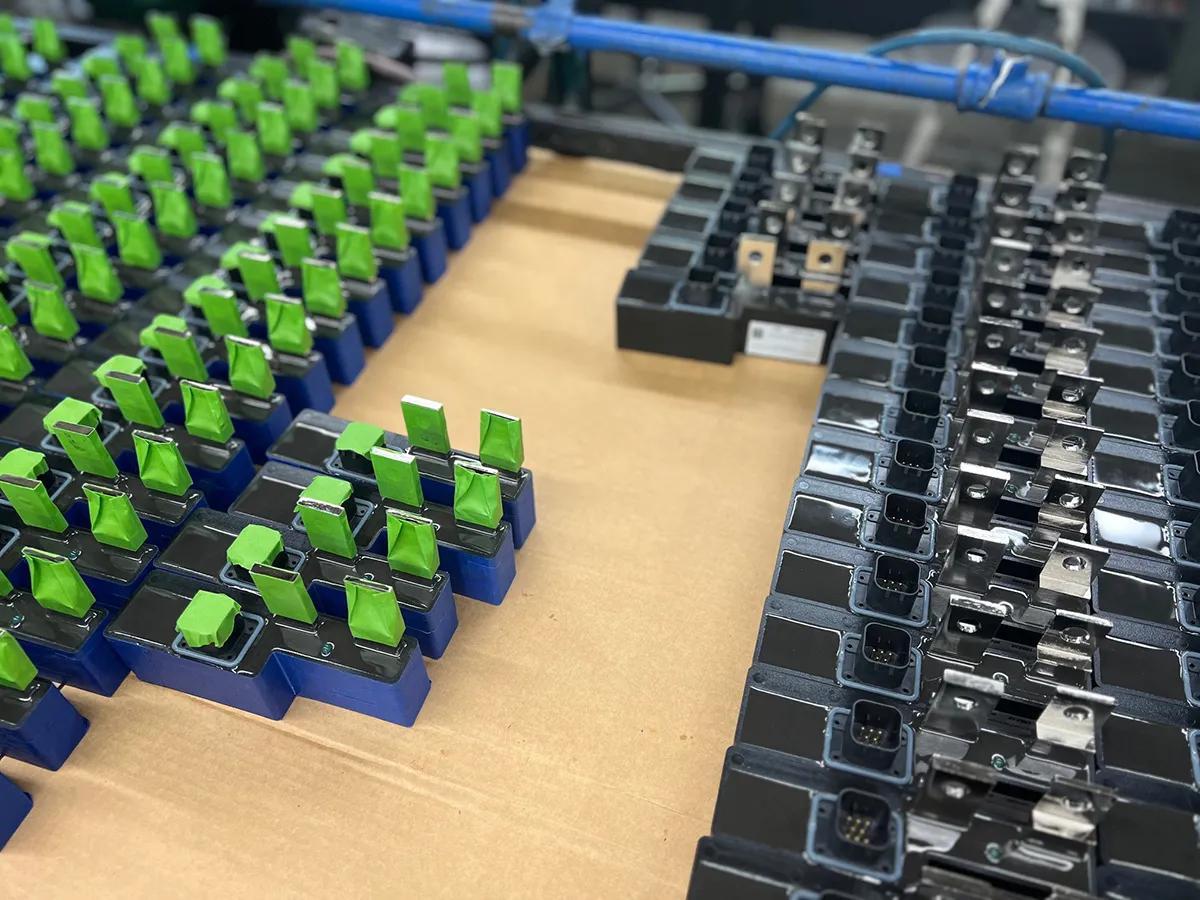
Electromechanical contract manufacturing encompasses the process of assembling, testing, and delivering products that combine electrical and mechanical components into integrated systems. Unlike traditional OEM production, where companies manufacture their own designs in-house, contract manufacturing partners provide specialized assembly expertise, infrastructure, and scalability that accelerate time to market while reducing capital investment.
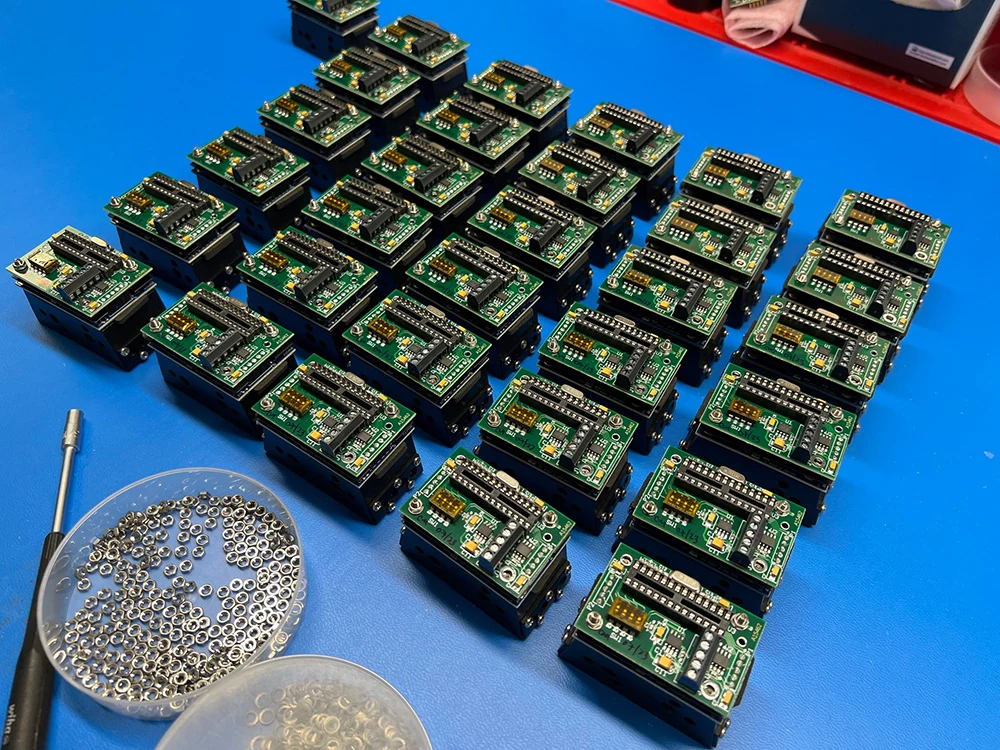
The scope of electromechanical manufacturing extends from straightforward sub-assemblies to more complex box builds incorporating multiple technologies. A typical project might include PCB assembly and component mounting, wire harness fabrication and integration, enclosure assembly and finishing, mechanical hardware installation, system-level integration and testing, and final packaging with documentation. This build-to-print approach allows your engineering team to focus on product innovation while manufacturing specialists handle production execution and quality control.
Common applications span industries where reliability and consistent production matter. Medical device manufacturers work with contract manufacturers for monitoring systems and diagnostic equipment. Industrial automation companies source control panels, sensor assemblies, and motion control systems. Technology companies partner for communication equipment and specialized electronics requiring focused assembly expertise.
Key terminology in electromechanical manufacturing includes box build assembly, which refers to system integration within enclosures; system integration, the process of combining multiple sub-assemblies into functional products; sub-assembly services for creating modular components; and build-to-print manufacturing following customer-supplied specifications and drawings.
Why Choose a Trusted Electromechanical Contract Manufacturer
- Reduced Production Costs – Eliminate capital equipment investments and facility overhead while leveraging established manufacturing infrastructure
- Shortened Lead Times – Accelerate product launches through established supply chains and optimized assembly processes
- Enhanced Quality Control – Access quality systems, testing protocols, and inspection procedures that support reliable production
- Flexible Scalability – Adapt production volumes from initial builds through higher-volume runs without capital risk or staffing challenges
- Assembly Expertise – Tap into build experience and process knowledge that optimizes manufacturability and assembly
- Supply Chain Simplification – Consolidate vendor management, component sourcing, and inventory control under a single manufacturing partner
- Focus on Core Competencies – Keep your engineering resources focused on product development and innovation rather than production management
Cost efficiency extends beyond unit pricing. Contract manufacturing eliminates the overhead of maintaining specialized equipment, training production staff, and managing supplier relationships. Your teams remain focused on design, sales, and market development rather than day-to-day production troubleshooting. Supply chain support helps handle component sourcing and inventory management strategies that reduce carrying costs while supporting production continuity.
Risk mitigation represents another consideration. Contract manufacturers typically maintain insurance coverage, quality certifications, and intellectual property protection protocols. Non-disclosure agreements, controlled facility access, and documented procedures help safeguard your designs throughout the manufacturing process.
Our Electromechanical Manufacturing Capabilities
Design for Manufacturability & Assembly Support
While we're not a product design firm, we offer valuable manufacturability and assembly input once your designs are developed. Our design for manufacturability and assembly (DfMA) review identifies opportunities to simplify assembly sequences, reduce component costs, and improve production efficiency. We can evaluate your designs for ease of assembly, point out potential manufacturing challenges, and suggest practical modifications that maintain your design intent while improving buildability.
If you're at the concept stage and need product design services, we're happy to connect you with experienced design engineering firms we've worked with in the past. Our focus remains on taking your completed designs and translating them into consistent production assemblies.
System and Sub-Assembly Services
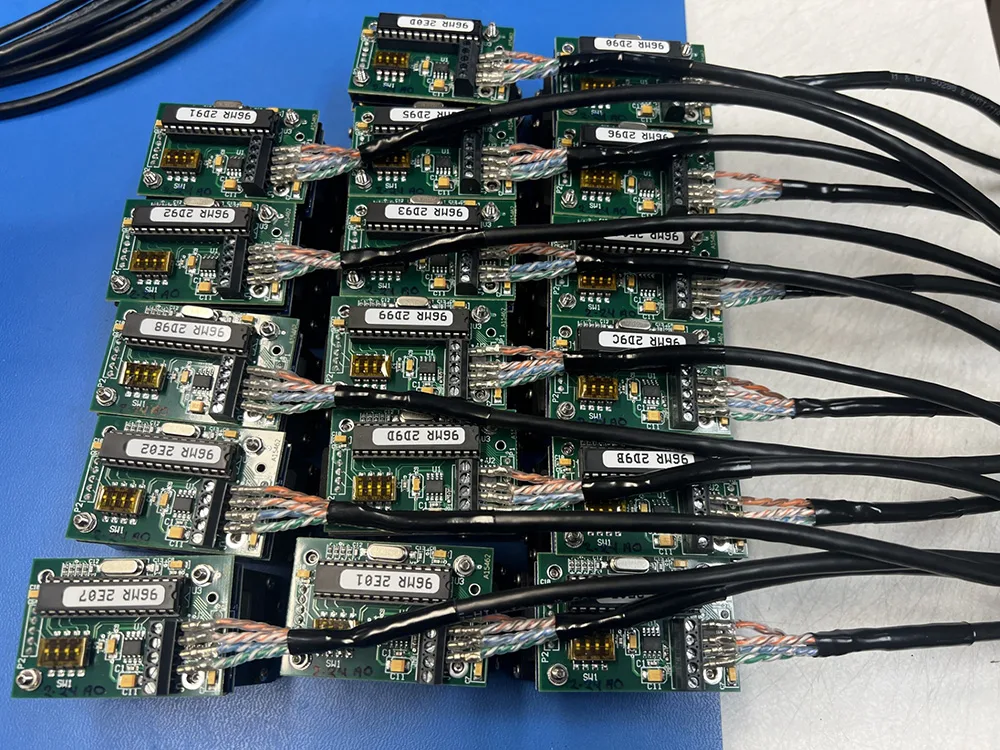
- Cable and Wire Harness Assembly – Harness fabrication using established wire processing methods and crimping processes following IPC/WHMA standards
- Enclosure and Hardware Assembly – Working with sheet metal, machined components, and enclosures to create finished housings per your specifications
- Control Panel Integration – Industrial control systems incorporating your specified PLCs, HMIs, circuit protection, and wiring layouts
- Box Build Assembly – Complete system assembly integrating mechanical, electrical, and electronic components based on your assembly drawings and work instructions
Testing and Validation
- Electrical Testing – In-circuit testing, functional verification, power-on diagnostics, and testing procedures ensuring assemblies perform as designed
- Mechanical Testing – Dimensional verification, fit and function validation, and mechanical evaluation
- Pressure, Leak & Flow Testing – In fluid applications, we have deep experience in pressure, leak, and flow/spray testing to ensure assemblies and/or equipment perform as designed
- Documentation – Test reports, inspection records, and conformance documentation supporting your quality requirements
Supply Chain and Material Management
- Component Sourcing –Access to distributors, pricing agreements, and alternative source identification when components become unavailable
- Procurement Support – Component management, obsolescence monitoring, and cost considerations
- Inventory Management – Programs aligned with your production schedule, whether you prefer consignment, vendor-managed inventory, or our turnkey purchasing
- Kitting and Packaging – Material staging, packaging solutions per your requirements, and configured shipping
Industries We Serve with Electromechanical Solutions
- Industrial Automation and Controls – Control panels, motion control assemblies, sensor networks, and controller systems for manufacturing and process equipment
- Energy and Power Systems – Power distribution units, battery management systems, inverters, and infrastructure equipment
- Telecommunications and Networking – Equipment assemblies, network components, and signal processing systems
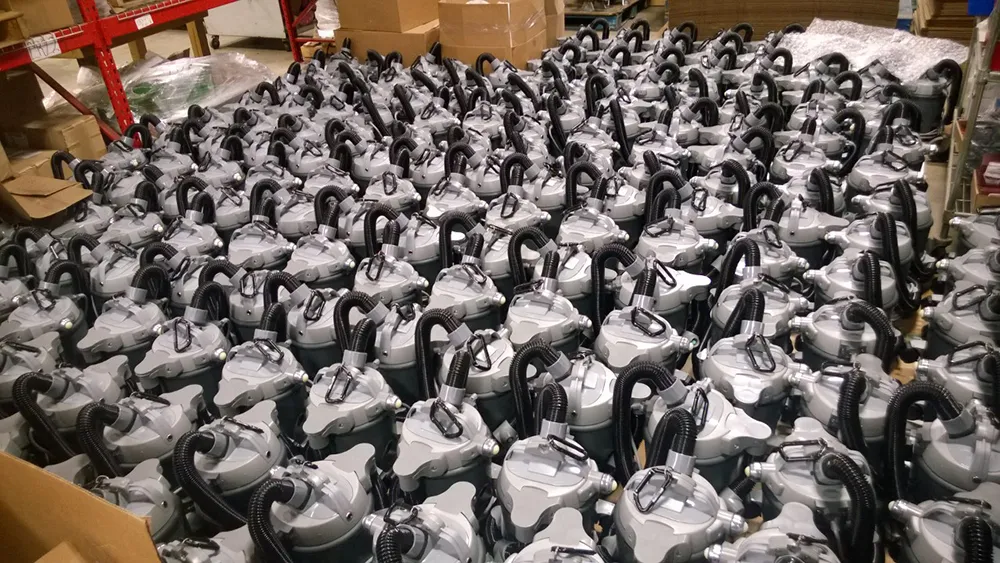
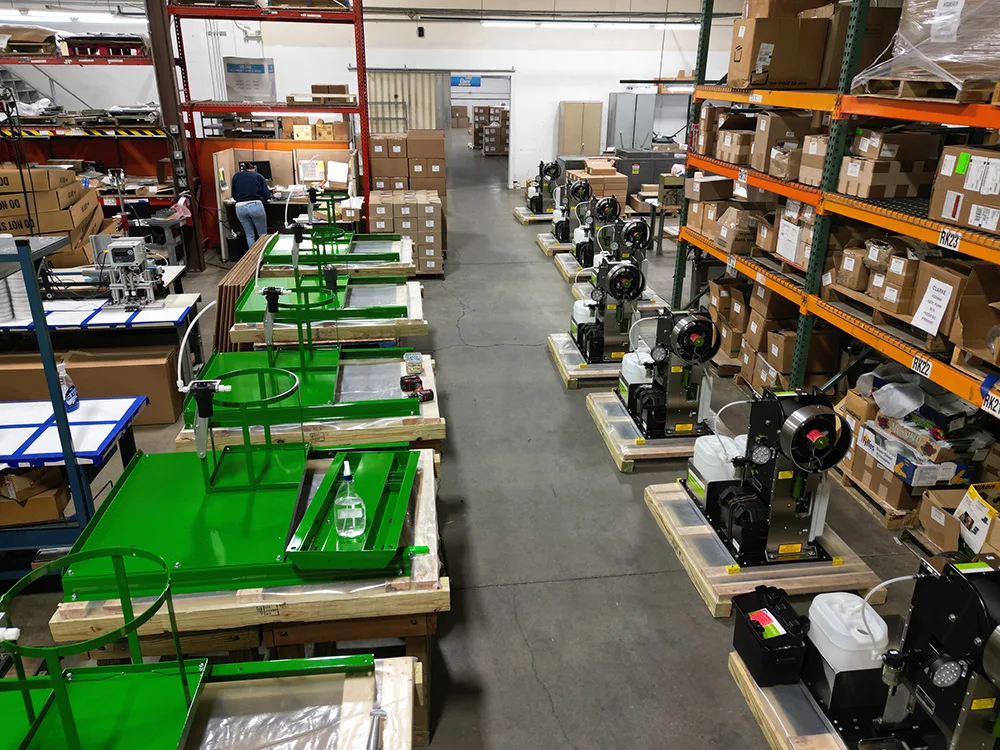
- Chemical or Liquid Spraying or Movement – Machinery and equipment used in chemical or liquid applications, often incorporating motors, pumps, and blowers, and requiring flow rate knowledge, dispersion nozzles, etc.
- Medical Device Assembly – Equipment assemblies and instruments requiring quality documentation and controlled processes
- Commercial and Industrial Equipment – Specialized electronics, instrumentation, and electromechanical systems
Quality Assurance and Compliance Standards
Common Types of Electromechanical Assemblies We Produce
- Box Builds and Control Panels – System integration within enclosures, industrial control cabinets, operator workstations, and instrumentation housings
- Operator Interfaces and Sensor Assemblies – Interface panels, touchscreen integration, sensor modules, and data acquisition systems
- Power Supply Units and Battery Modules – Power conversion assemblies, battery management systems, charging circuits, and power distribution assemblies
- Communication Equipment – Network interface devices, protocol converters, and communication system assemblies
- Motion and Actuator Assemblies – Motor integration, linear actuator systems, pneumatic control assemblies, and positioning equipment
- Chemical or Liquid Spraying and Dispensing SystemsChemical or Liquid Spraying and Dispensing Systems – Complex electromechanical machinery used in liquid applications requiring precision motors, pumps and blowers
- Custom Sub-Assemblies - Modular components designed to your specifications for integration into your larger systems
The Benefits of Partnering with General Assembly & Manufacturing Corp. for Contract Manufacturing
Selecting the right manufacturing partner impacts product execution. General Assembly & Manufacturing Corp. offers capabilities and commitment that deliver practical value:
- U.S.-Based Production – Our domestic manufacturing facility provides responsive communication, shorter logistics chains, and easier quality oversight. This approach supports efficient problem-solving and allows you to visit production when needed.
- Manufacturability & Assembly Input – Our team can provide design for manufacturability and assembly (DfMA) feedback on your designs, identifying assembly challenges before production begins. This input helps refine your designs for more efficient builds without changing your core product functionality.
- Robust Communication – Our team knows that trust and collaboration form the foundation of an effective program management system. We understand your team has many priorities, and we strive to provide consistent, thorough, and robust communication and documentation through our project onboarding process.
- Delivery Focus – Production planning systems and supply chain coordination support consistent shipment timing. Visibility into production status allows proactive communication about schedules.
Partnership outcomes demonstrate value. Clients often achieve cost reduction compared to building in-house when considering equipment, space, and overhead. Production efficiency results from established processes and experienced assembly staff. Quality systems help reduce field issues. Reliable delivery supports your customer commitments.
Getting Started: From Design to Production
Initiating a manufacturing partnership follows a structured process designed to establish clear expectations and protect intellectual property:
- Initial Consultation and NDA Signing – Discovery conversations identify your product requirements, volume projections, quality expectations, and timeline needs. Non-disclosure agreements executed before detailed technical discussions protect your proprietary information throughout the evaluation process.
- Engineering Review and Quotation – Our team evaluates your designs, bills of material, and assembly specifications to assess buildability and identify potential considerations. Manufacturability and assembly feedback highlight opportunities for assembly simplification or cost management. Quotations detail unit pricing, any tooling or fixture costs, lead times, and minimum order quantities based on analysis of your specific product.
- First Article Build and Validation – Initial production runs verify our understanding of your requirements and validate assembly processes. First article assemblies undergo your specified testing protocols with documentation. Any needed refinements are incorporated before ramping to full production volumes.
- Production and Logistics Management – Production follows established methodologies with operator training and quality procedures. Supply chain activation ensures material availability while inventory management helps optimize working capital. Packaging and logistics coordination deliver finished products to your facility or distribution points based on your requirements.
Submit your project for review through our contact page to begin the evaluation process. Our team responds within 24 hours with initial feedback and recommended next steps tailored to your timeline and production goals.
Frequently Asked Questions
Partner with General Assembly & Manufacturing Corp. - Your Electromechanical Contract Manufacturing Partner
Successful product commercialization requires manufacturing partners who execute consistently. General Assembly & Manufacturing Corp. brings electromechanical manufacturing experience supporting companies from growing ventures through established enterprises. Our focus remains on taking your designs and turning them into quality assemblies through reliable processes and clear communication.
The value of established manufacturing relationships develops over time. Knowledge about your products and processes eliminates learning curves on subsequent projects. Dedicated capacity supports your growth. Process improvements identify cost reduction opportunities. Supply chain relationships strengthen over multiple production runs.
Review our case studies to see how companies have achieved manufacturing results through partnership with General Assembly & Manufacturing Corp. From industrial equipment to specialized electronics, our track record demonstrates consistent execution across applications.
Ready to discuss your electromechanical manufacturing requirements? Contact our team to schedule a confidential consultation. We'll review your product specifications, assembly drawings, timeline requirements, and quality expectations to determine how our capabilities align with your needs. Submit your request for quotation to receive analysis and pricing.
Partner with a contract manufacturer focused on executing your designs with the precision, reliability, and practical approach your electromechanical products require.