
What Is Design for Manufacturing and Assembly (DfMA)?

Quality Control in Contract Manufacturing: How Standards, Testing, and Compliance Ensure Reliability
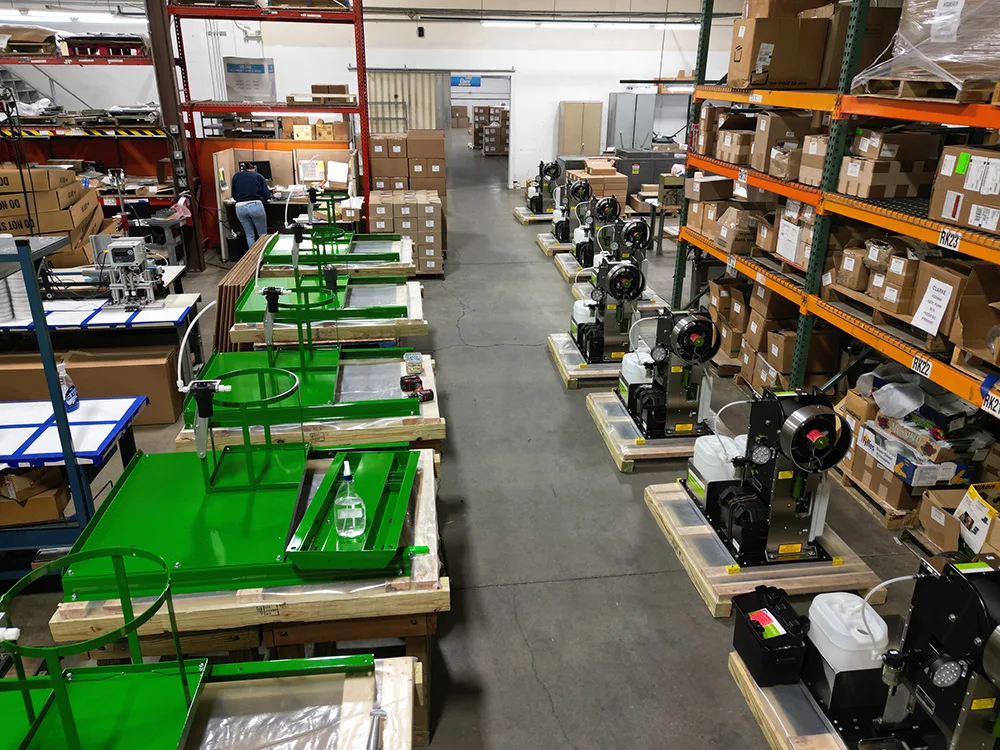
Turnkey contract manufacturing consolidates production processes and delivers faster time-to-market, reduced overhead costs, and simplified project management.
For companies looking to bring products to market without investing in their own manufacturing infrastructure, turnkey contract manufacturing offers a compelling solution. This production model handles multiple aspects from component sourcing and assembly through final delivery, allowing businesses to focus on their core competencies while experienced manufacturers manage production complexities.
Unlike traditional manufacturing arrangements, where companies must coordinate multiple vendors and manage various aspects of the supply chain themselves, turnkey manufacturing consolidates processes under one provider. This approach delivers faster time-to-market, reduced overhead costs, and simplified project management, making it an increasingly popular choice for businesses across multiple industries.
Understanding Turnkey Manufacturing
The term “turnkey” comes from the idea that a client simply needs to “turn the key” to begin operations. In manufacturing, this means receiving a complete, ready-to-use product without managing individual production stages. The turnkey manufacturer handles component sourcing, fabrication, assembly, quality control, and logistics as an integrated service.
This differs significantly from basic outsourcing or partial contract manufacturing, where companies might outsource only assembly while managing their own supply chain, or contract specific production steps while coordinating between multiple vendors. Turnkey manufacturing provides a single point of accountability for the production and assembly lifecycle.
Original equipment manufacturers (OEMs), growing companies, and established industrial brands typically use turnkey solutions when they need manufacturing expertise but lack in-house production capacity or prefer to avoid the capital expenditure of building their own facilities. Common applications span electronics assembly, industrial equipment, power systems, control panels, and electromechanical assemblies-anywhere reliable manufacturing and supply chain coordination create value.
How Turnkey Contract Manufacturing Works: Step-by-Step Process
Manufacturability Review and Collaboration. The turnkey process begins with evaluating product designs for manufacturability. Through Design for Manufacturability (DFM) review, experienced manufacturing teams identify potential production challenges before they become costly problems. This early input reduces risks by catching assembly difficulties, material availability issues, or design elements that complicate production. While not a product design service, this partnership approach often results in cost savings through component standardization, simplified assembly sequences, and improved product buildability.
Initial Build and Validation. First article builds allow companies to validate that assemblies meet specifications before committing to full production runs. Turnkey manufacturers conduct these initial production runs to confirm manufacturing processes work as intended and identify optimization opportunities. These validation phases ensure the final product meets your requirements while remaining cost-effective to produce at volume. Testing during this phase confirms that assemblies perform as intended.
Sourcing and Procurement. One of turnkey manufacturing’s greatest advantages lies in established supplier relationships and procurement expertise. Turnkey providers handle supplier qualification, negotiate competitive pricing, and manage component sourcing across supply chains. This centralized procurement approach leverages purchasing power and reduces the administrative burden on clients. Experienced manufacturers also work to maintain component availability and address supply chain challenges.
Manufacturing and Assembly. Production integration distinguishes turnkey manufacturing from fragmented outsourcing models. With fabrication, assembly, and finishing operations coordinated together, manufacturers maintain better quality control while reducing lead times between production stages. Scalability represents another key advantage-whether producing small quantities or larger volumes, turnkey manufacturers adjust production capacity to meet demand without requiring clients to manage that complexity.
Quality Assurance and Standards. Quality management systems include incoming inspection for components, in-process quality control during manufacturing, and final inspection before shipment. These checkpoints ensure consistency and catch issues before assemblies reach customers. Turnkey manufacturers typically maintain certifications such as ISO 9001 for quality management systems, with facilities also meeting industry standards like IPC/WHMA for electronics assembly. This compliance infrastructure supports client requirements while ensuring product reliability.
Packaging, Logistics, and Delivery. The turnkey model extends through final packaging, inventory management, and logistics coordination. Manufacturers handle finished goods and arrange shipping to distribution centers or end customers, providing supply chain visibility. This service eliminates the need for companies to coordinate multiple logistics providers or maintain their own warehousing facilities for manufactured goods.
Turnkey vs. Traditional Contract Manufacturing
Understanding the distinctions between manufacturing models helps businesses choose the right approach:
Turnkey Manufacturing provides supply chain management with the manufacturer sourcing components and materials. Companies benefit from simplified project management through a single point of contact, but have less direct control over individual suppliers. The cost structure includes materials and services in one package with typically higher per-unit costs but lower total project costs when considering overhead and coordination.
Consignment/Contract Manufacturing requires the client to source and provide components, giving them more control over the supply chain but requiring more internal resources. Multiple vendors must be coordinated, and the cost structure separates material procurement from manufacturing services.
The turnkey approach offers greater efficiency when speed to market matters, when companies lack procurement expertise, or when production volumes justify consolidated purchasing. Traditional contract manufacturing might fit better when companies have established supplier relationships, highly specialized components, or prefer direct control over material sourcing.
Key Benefits of Turnkey Contract Manufacturing
- Single Point of Accountability – Working with one manufacturing partner simplifies communication, reduces coordination overhead, and clarifies responsibility. Instead of managing multiple vendors, companies communicate with a project manager who coordinates production aspects.
- Faster Time to Market – Streamlined coordination between procurement and production phases accelerates product launches. Established processes and supply chain relationships reduce the delays that slow manufacturing projects.
- Lower Total Cost of Ownership – Avoiding factory setup, equipment investment, and supply chain infrastructure reduces both capital expenditure and operating costs. While per-unit costs might appear higher than in-house production, total project costs typically decrease when accounting for overhead, coordination effort, and inventory management.
- Consistent Quality – Centralized quality control with documented processes and traceability systems ensures consistent output. Experienced manufacturers have refined their quality systems through numerous projects, benefiting each client.
- Focus on Core Competencies – Manufacturing expertise isn’t core to most businesses. Outsourcing production allows companies to redirect engineering talent, management attention, and capital toward product innovation, sales growth, and customer service.
- Scalable Production – Market demand fluctuates, but maintaining in-house capacity for peak demand wastes resources during slower periods. Turnkey manufacturers adjust output based on needs without requiring clients to hire or lay off workers.
- Standards Compliance – Maintaining current certifications and regulatory compliance requires constant attention. Turnkey manufacturers maintain these standards while providing expertise in navigating requirements.
Potential Challenges and How to Mitigate Them
Reduced Direct Oversight: Companies accustomed to close production monitoring may feel disconnected. Solutions include regular reporting, production updates, and scheduled visits that maintain visibility without requiring daily involvement.
Dependency on One Partner: Concentrating production with a single manufacturer creates risk if that relationship encounters issues. Solutions include thorough vetting of potential partners, clear service level agreements, and maintaining detailed documentation that enables transitions if necessary.
Cost Transparency: Understanding costs within bundled pricing can prove challenging. Solutions include requesting detailed quotes that break down material, labor, and overhead components, along with milestone-based billing that ties payments to deliverables.
Defining Requirements Clearly: Miscommunication during project initiation causes most turnkey manufacturing problems. Solutions include investing time in precise documentation during onboarding, creating detailed specifications with assembly drawings, and establishing change management processes for modifications.
Industries That Rely on Turnkey Manufacturing
Industrial Equipment and Automation: Companies serving these sectors benefit from turnkey manufacturers who understand control systems integration, panel building, and equipment assembly requirements. These applications require the coordination of electrical and mechanical components into functional systems.
Energy and Power Systems: Products requiring reliable manufacturing, testing, and compliance leverage turnkey providers’ capabilities and certification infrastructure. Power distribution, battery systems, and energy management equipment rely on consistent assembly quality.
Electronics and Communication Equipment: Assembly of complex electronics with multiple component types makes turnkey manufacturing valuable for bringing products to market while managing component sourcing and assembly coordination.
Commercial and Industrial Products: Companies producing instrumentation, control systems, and specialized equipment use turnkey services to access manufacturing capabilities without capital investment in facilities.
When Should You Consider a Turnkey Contract Manufacturer?
Growing companies scaling from initial builds to consistent production represent ideal turnkey candidates. Without existing manufacturing infrastructure or extensive supply chain relationships, these businesses gain access to established capabilities that would take time to develop internally.
Businesses prioritizing speed-to-market benefit from turnkey manufacturing’s streamlined processes. When competitive advantage depends on reliable launches, the coordination efficiency of a single manufacturing partner can determine success.
Companies expanding production without building new facilities use turnkey manufacturing to access capacity. This approach provides manufacturing presence without the capital investment and management complexity of owned facilities.
The decision framework balances control versus efficiency and capital expenditure versus operating expense. Companies willing to trade some direct control for faster execution and those preferring to convert fixed costs into variable costs typically find turnkey manufacturing advantageous.
How to Choose the Right Turnkey Manufacturing Partner
Evaluating potential partners requires examining several critical factors:
- Relevant Industry Experience – Ensures the manufacturer understands sector-specific requirements and technical challenges. Review their case studies and references within similar applications.
- Capabilities Alignment – Determine whether the manufacturer offers the specific services you need or subcontracts key processes. Direct capabilities provide better quality control and faster response times.
- Certifications and Standards – Must align with your product requirements. Verify current certification status rather than relying on outdated documentation.
- Supply Chain Approach – Matters during component shortages and logistics disruptions. Ask about supplier relationships, inventory management, and how they’ve handled recent supply chain challenges.
- Manufacturability Input – Indicates whether the manufacturer can contribute to production optimization or simply executes provided designs. Manufacturing expertise adds value throughout the production lifecycle.
- Communication Standards – Affect daily interactions. Evaluate responsiveness during the quoting process as an indicator of ongoing communication quality.
Long-term relationships deliver benefits as manufacturers develop knowledge about your products, preferences, and business cycles. Regular reviews maintain performance standards and identify improvement opportunities.
Frequently Asked Questions
What is the difference between turnkey and contract manufacturing?
Turnkey manufacturing includes supply chain management, with the manufacturer sourcing components and materials, while traditional contract manufacturing typically requires the client to provide materials. Turnkey offers simplified management through a single point of contact for production processes.
Does turnkey manufacturing include product design services?
Most turnkey manufacturers offer design for manufacturability (DFM) review to optimize your existing designs for production efficiency, but they’re not product design firms. This input helps identify assembly challenges and cost reduction opportunities in your completed designs. If you need product design engineering, manufacturers can often recommend design firms they’ve worked with successfully.
How can I ensure quality and IP protection?
Select manufacturers with quality management systems and relevant certifications. Protect intellectual property through non-disclosure agreements, limiting information sharing to what’s necessary for production, and choosing partners with established reputations who value long-term relationships.
What industries benefit most from turnkey solutions?
Industries with complex assemblies, specific compliance requirements, or production scaling needs benefit most. This includes industrial controls, power systems, electronics assembly, automation equipment, and commercial products requiring reliable manufacturing.
How long does it take to transition to a turnkey model?
Timeline depends on product complexity and current status. Straightforward products might transition in 8-12 weeks, while complex assemblies requiring tooling development and supplier qualification can take 4-6 months. The transition period includes design review, first article validation, and process documentation.
Partner with General Assembly & Manufacturing Corp. for Turnkey Contract Manufacturing
General Assembly & Manufacturing Corp. delivers integrated manufacturing solutions that transform your designs into assembled products. Our manufacturing team, established processes, and commitment to quality support clients from initial builds through consistent production.
Whether you’re scaling from prototype to production, expanding product lines, or seeking a reliable manufacturing partner, our turnkey approach provides the capacity, execution, and accountability that support business success.
Ready to explore how turnkey manufacturing can support your production needs? Contact us to discuss your project requirements and discover how our manufacturing services align with your goals. Review our case studies to see how companies across multiple industries have achieved results through partnership with General Assembly & Manufacturing Corp.