
Medical Device Contract Manufacturing
Medical device contract manufacturing transforms innovative healthcare concepts into market-ready products through specialized partnerships between original equipment manufacturers and contract manufacturing organizations. For OEMs navigating the complex intersection of regulatory compliance, precision engineering, and scalable production, selecting the right manufacturing partner becomes a critical business decision that directly impacts product quality, time-to-market, and commercial success.
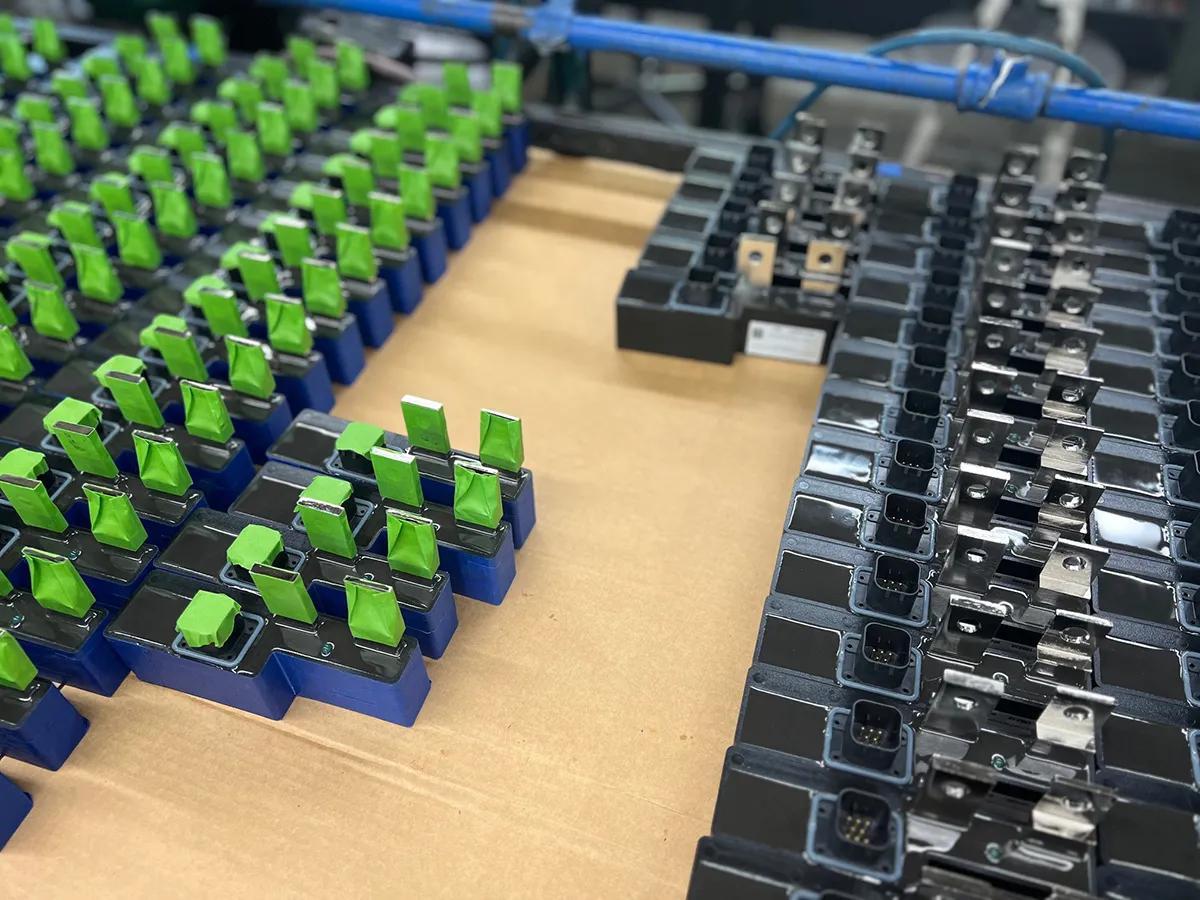
General Assembly & Manufacturing Corp. brings three decades of electromechanical assembly expertise to the medical device component manufacturing sector. Our precision fabrication capabilities, quality systems, and engineering support serve medical device OEMs who maintain their own regulatory frameworks while leveraging our specialized manufacturing expertise for critical components and subassemblies.
What Is Medical Device Contract Manufacturing?
Medical device contract manufacturing represents a strategic partnership model where OEMs transfer production responsibilities to specialized manufacturers equipped with the facilities, expertise, and quality systems required for regulated medical product fabrication. This differs fundamentally from general manufacturing outsourcing by requiring adherence to stringent regulatory frameworks, validated processes, and comprehensive documentation protocols.
The OEM-CMO collaboration typically follows one of three models: full turnkey manufacturing, where the CMO manages the entire production process from material procurement through final packaging; consignment manufacturing, where the OEM provides materials and the CMO handles fabrication and assembly; or hybrid arrangements that divide responsibilities based on technical capabilities and regulatory considerations.
Successful medical device contract manufacturing rests on three interconnected pillars:
- Regulatory compliance ensures all processes meet FDA Quality System Regulations, ISO 13485 standards, and applicable international requirements
- Process control establishes validated, repeatable manufacturing methods with statistical verification of critical parameters
- Scalability provides the infrastructure and systems to progress from prototype quantities through commercial production volumes without compromising quality or compliance
Why OEMs Outsource Medical Device Production
- Capital investment reduction allows OEMs to avoid the substantial costs associated with specialized equipment acquisition, precision tooling, and manufacturing infrastructure—expenses that can reach millions of dollars for complex component production capabilities.
- Faster commercialization results from immediate access to production-ready infrastructure and experienced technical teams. Rather than building internal manufacturing capabilities from the ground up—a process requiring 18 to 36 months for complex components—OEMs can initiate production within weeks or months of design finalization.
- Access to manufacturing and engineering expertise proves particularly valuable for medical device companies focusing on regulatory strategy, clinical development, and product innovation. Component manufacturers with established quality systems and documented manufacturing processes provide the production consistency required for regulatory submissions.
- Supply chain efficiency improves through established vendor networks, volume purchasing leverage, and professional procurement systems that optimize component costs and availability.
Stages of the Medical Device Manufacturing Process
Design and Development
The medical device development phase establishes the foundation for successful manufacturing through collaborative engineering that integrates design intent with production realities. Design for Manufacturing and Design for Assembly principles applied during concept development prevent costly redesigns during scale-up while optimizing component manufacturability, assembly efficiency, and quality control effectiveness.
Rapid prototyping technologies, including CNC machining, 3D printing, and injection molding, enable iterative design validation with functional prototypes that verify form, fit, and function before committing to production tooling. Risk management integration throughout development ensures compliance with ISO 14971 requirements, with design documentation capturing risk assessments, mitigation strategies, and verification evidence.
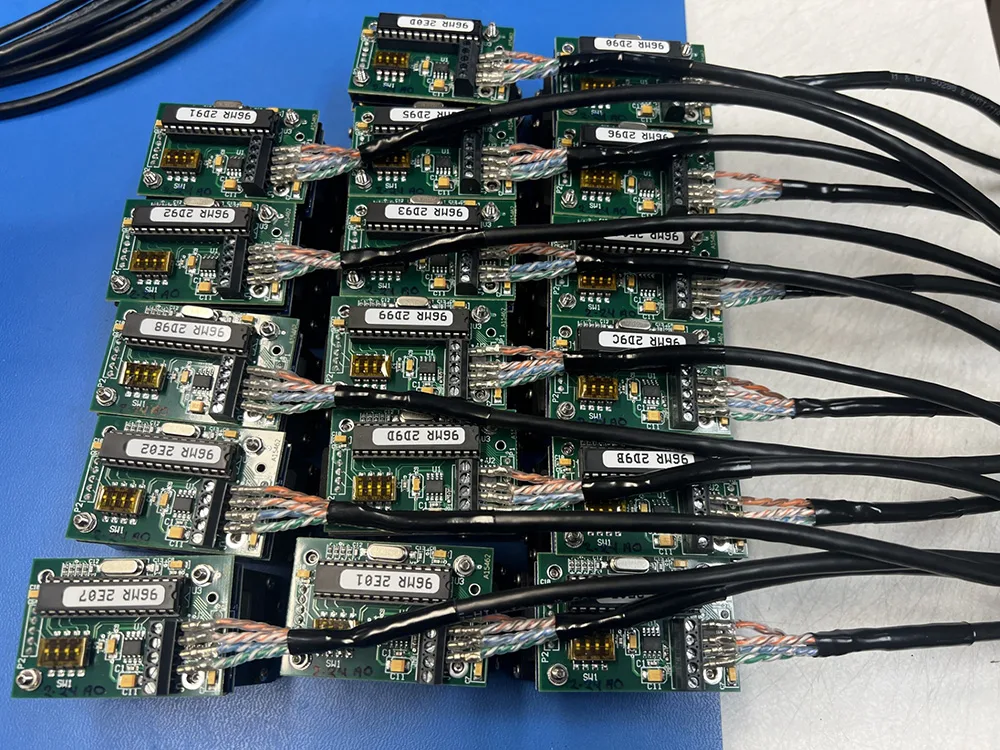
Component Fabrication and Subassembly
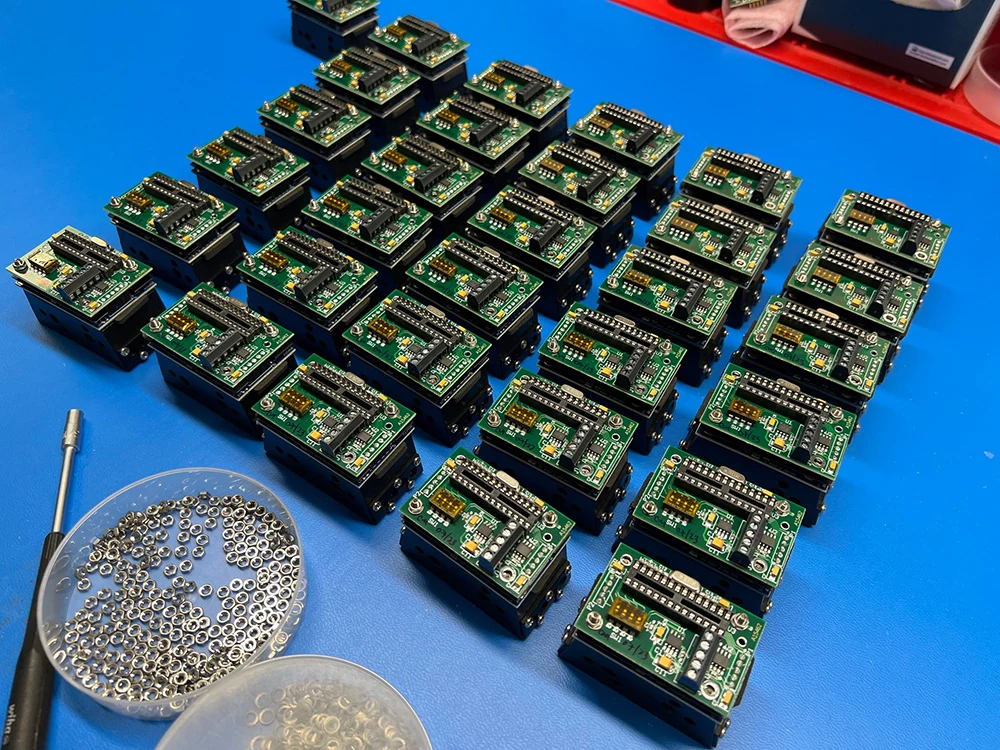
Assembly and Automation
Packaging and Sterilization
- Ethylene oxide sterilization accommodates heat-sensitive materials and complex geometries while achieving thorough penetration
- Gamma irradiation provides effective sterilization without heat exposure, but requires material compatibility verification
- Steam sterilization offers the most economical option for heat- and moisture-stable devices
Supply Chain and Logistics Management
Quality and Regulatory Compliance
- Installation Qualification confirms the equipment installation correctness
- Operational Qualification demonstrates equipment operates within specified parameters across the operating range
- Performance Qualification proves the complete process reliably produces acceptable devices during routine production conditions
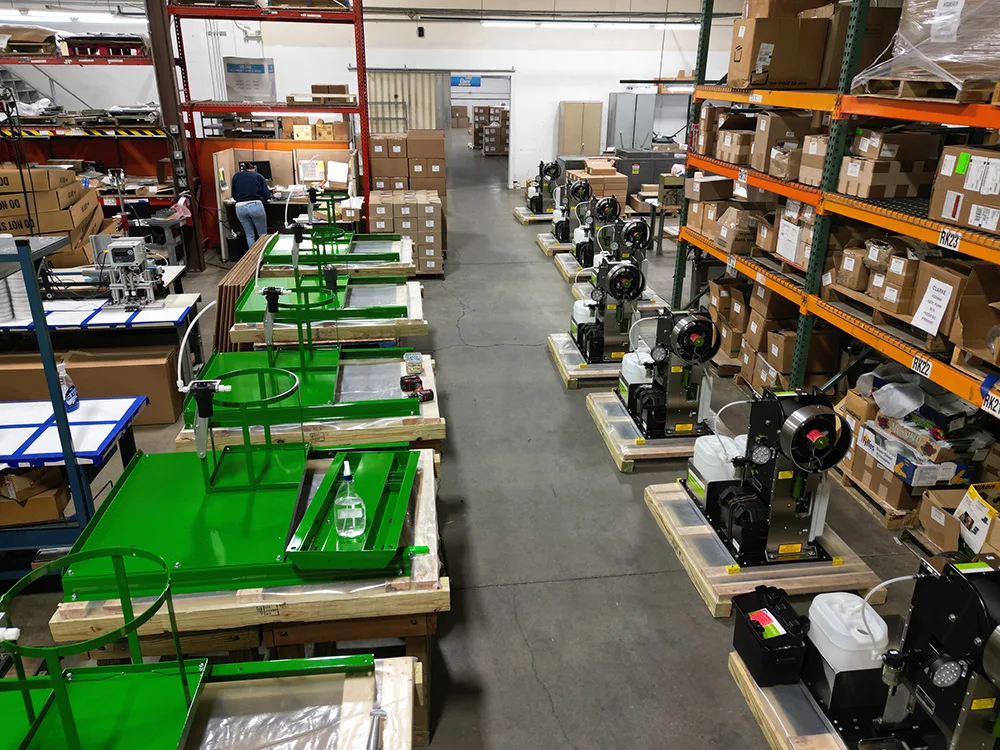
Cleanroom Manufacturing and Environmental Control
Specialized Capabilities in Medical Device Contract Manufacturing
Benefits of Partnering with a Medical Device Contract Manufacturer
Challenges and Risk Management in Medical Device Outsourcing
Selecting the Right Medical Device Contract Manufacturing Partner
How to Transition from Prototype to Full-Scale Production
Frequently Asked Questions
Partner with General Assembly & Manufacturing Corp. for Medical Device Component Manufacturing Excellence
General Assembly & Manufacturing Corp. delivers precision component manufacturing services built on 30 years of electromechanical assembly experience. Our ISO 9001-certified quality management system, precision fabrication and assembly capabilities, and engineering support serve medical device OEMs who maintain their own regulatory frameworks while leveraging our specialized manufacturing expertise for critical components and subassemblies.
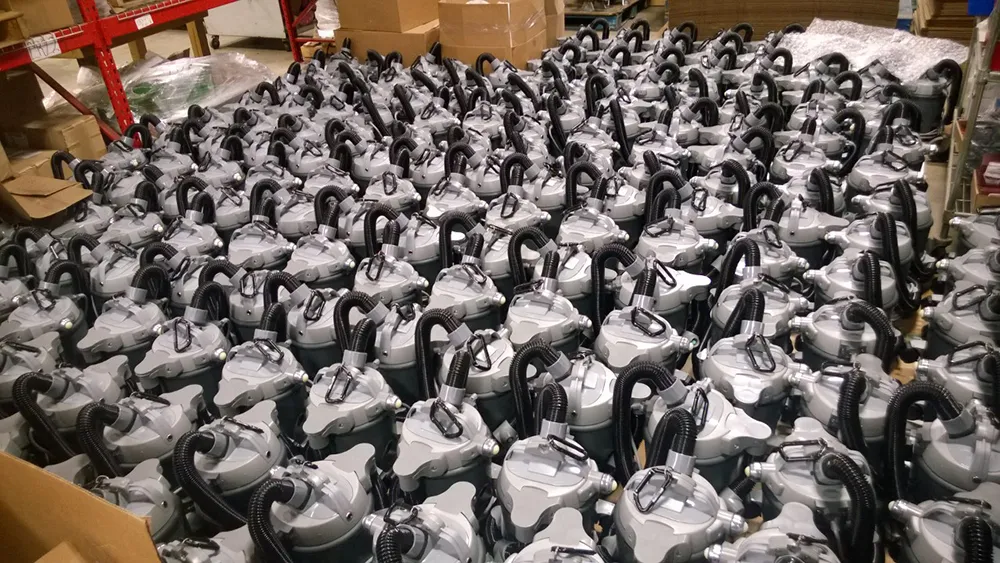
We serve diverse industries with proven experience in chemical spraying and dispersion equipment, power distribution equipment, and specialized industrial monitoring and controls. Our quality management systems ensure compliance with ISO 9001:2015 and industry-specific standards while maintaining the traceability and documentation that procurement managers require.
Our precision machining, electromechanical assembly, and testing capabilities produce components meeting the tight tolerances and documentation requirements medical device applications demand. We provide the material certifications, dimensional inspection reports, and process documentation that integrate into your quality system and support your regulatory submissions.