
Wire Harness and Electrical Control Panel Assembly Manufacturing

Wire harness assemblies serve as the critical nervous system that powers, controls, and connects every component.

In electromechanical systems ranging from medical diagnostic equipment to industrial automation machinery, wire harness assemblies serve as the critical nervous system that powers, controls, and connects every component. These carefully engineered bundles of wires, connectors, and protective materials organize electrical pathways while safeguarding against shorts, abrasion, and electromagnetic interference.

General Assembly & Manufacturing Corp. specializes in precision wire harness assembly and electrical control panel manufacturing for demanding industrial and medical applications. As an ISO-certified manufacturer with expertise in low- to medium-volume production runs, General Assembly & Manufacturing Corp. delivers custom wiring solutions that meet stringent regulatory requirements while supporting unique OEM specifications.
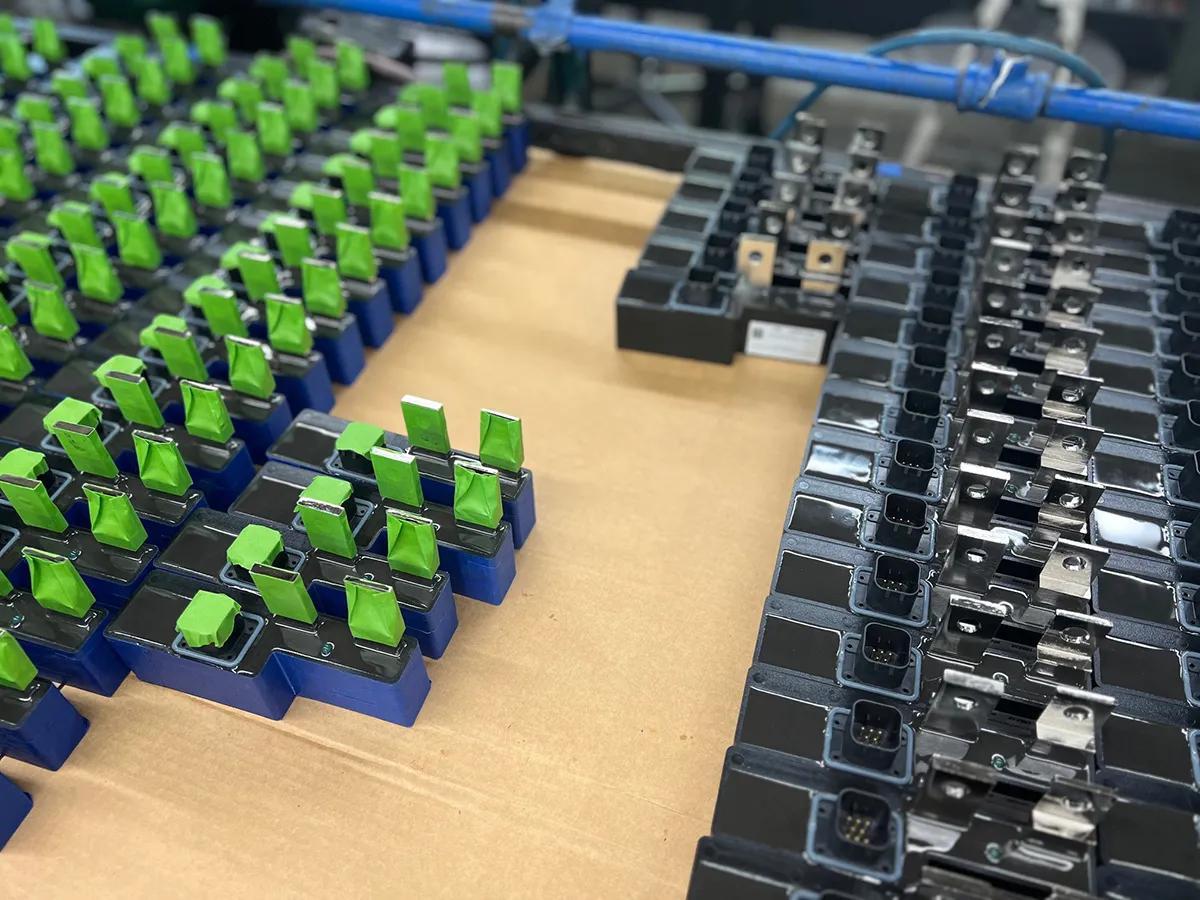
What Is a Wire Harness Assembly?

A wire harness assembly is an organized bundle of electrical wires, cables, and connectors bound together to transmit signals or electrical power within a system. These assemblies streamline installation, reduce the risk of wiring errors, and protect electrical interconnects from environmental stresses such as heat, vibration, and moisture.

Wire harnesses organize and secure electrical wiring for both safety and operational efficiency. By consolidating multiple wires into a single, manageable unit, harnesses simplify maintenance, improve reliability, and enable faster assembly during manufacturing. The protective sleeving, taping, and routing techniques used in harness construction prevent wire chafing and maintain proper spacing between conductors.

While often used interchangeably, wire harnesses and cable assemblies serve different purposes. A wire harness typically consists of multiple individual wires bundled together with connectors on the ends, designed for internal routing within equipment. Cable assemblies, by contrast, usually feature heavier jacketing and are built to withstand harsher external environments or longer transmission distances.

Six-Step Wire Harness Assembly Manufacturing Process

1. Design and Engineering Review. Successful custom harness manufacturing begins with thorough design analysis using Design for Manufacturing and Assembly (DfMA) principles. Engineering teams review customer specifications, including electrical schematics, wire lists, connector pinouts, and 3D CAD models, to identify potential manufacturing challenges before production begins.

This review phase ensures that harness designs accommodate proper bend radius, strain relief, and serviceable routing. Engineers evaluate connector accessibility, validate wire gauge selections, and confirm that the design supports efficient assembly workflows while maintaining electrical performance specifications.

2. Material Selection and Sourcing. Material selection directly impacts harness performance, longevity, and compliance. Critical considerations include wire gauge sizing for current capacity, insulation materials rated for operating temperatures, shielding requirements for electromagnetic compatibility, and connector types suited to mating cycles and environmental conditions.

General Assembly & Manufacturing Corp. sources UL and CSA-compliant materials that meet industry standards for safety and reliability. For specialized applications requiring military-grade components or medical-device materials, custom component procurement ensures that every element of the harness assembly meets regulatory requirements and application-specific performance criteria.

3. Cutting, Stripping, and Termination. Precision cutting and stripping processes ensure consistent wire lengths and clean conductor exposure. Automated equipment removes insulation to exact specifications, preventing damage to conductor strands that could compromise electrical performance.

Termination methods include crimping, soldering, and connector assembly techniques selected based on application requirements. Crimp connections provide reliable mechanical and electrical bonds for most industrial applications, while soldering offers enhanced conductivity for sensitive electronic circuits. Quality crimps require proper tool selection, die maintenance, and pull-testing to verify termination strength.

4. Assembly and Routing. Wire routing and bundling transform individual terminated wires into organized harness assemblies. Technicians follow routing diagrams to position wires according to signal type, voltage levels, and electromagnetic compatibility requirements. Bundling techniques using tape, cable ties, and protective sleeving create durable assemblies that maintain wire organization throughout the product lifecycle.

Labeling, color-coding, and barcoding provide essential traceability for quality control and field service. Serialized tags enable tracking from raw materials through final installation, supporting both manufacturing process control and long-term maintenance documentation.

5. Testing and Quality Verification. Comprehensive electrical testing validates harness functionality before delivery. Continuity testing confirms proper connections between all termination points, while hipot (high-potential) testing verifies insulation integrity under voltage stress conditions. Functional verification may include load testing, signal integrity measurements, and environmental stress screening.

Testing procedures align with ISO 9001 quality management systems, IPC/WHMA-A-620 workmanship standards, and UL safety requirements. Documentation generated during testing provides objective evidence of compliance for customers operating in regulated industries.

6. Panel Integration and Final Build. For customers requiring complete electromechanical solutions, harness assemblies integrate into electrical control panels, enclosures, and subassemblies. Precision wire routing within control panels ensures proper spacing around heat-generating components while maintaining access for inspection and maintenance. Terminal block assembly, grounding connections, and panel labeling complete the system-level build.
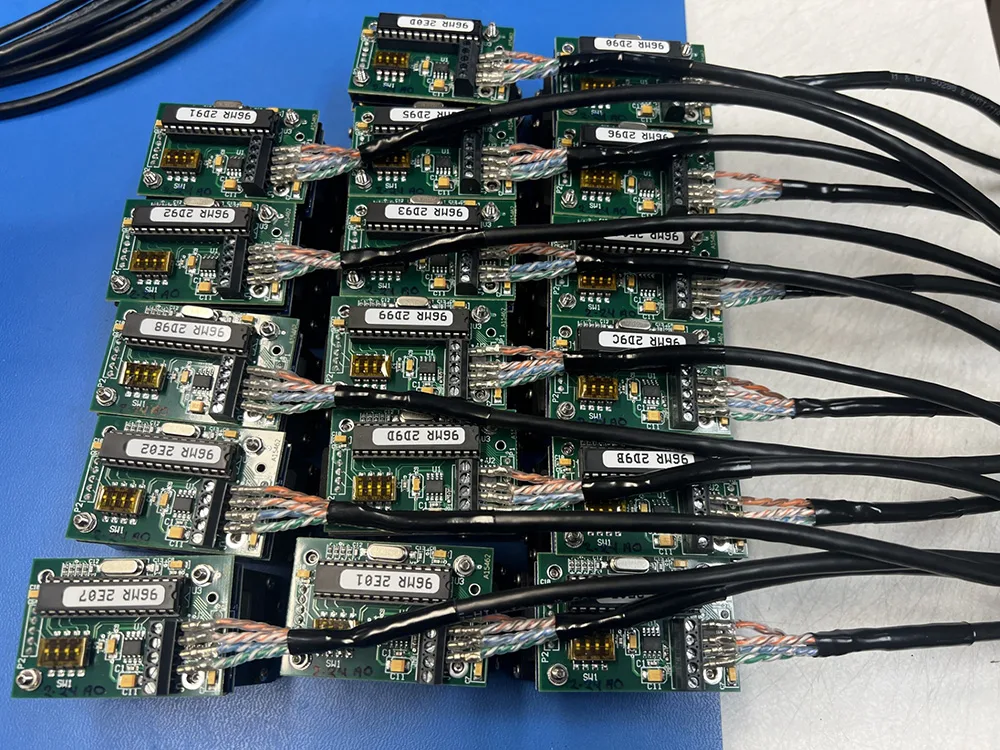
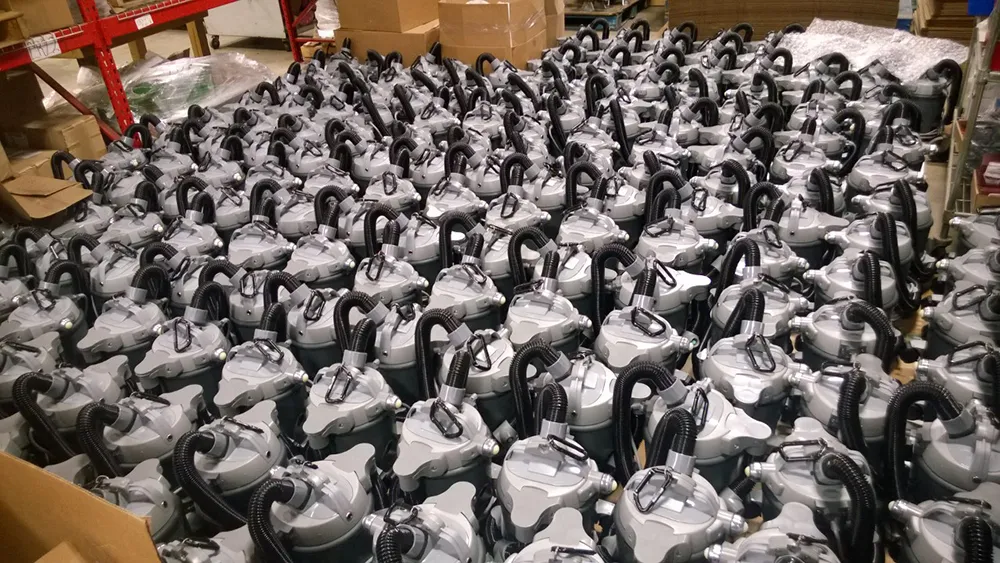
Custom Wire Harness Manufacturing Capabilities

General Assembly & Manufacturing Corp's capabilities span diverse voltage and temperature ranges, from low-voltage control circuits to high-power distribution systems. Wire harness assemblies accommodate operating environments from standard industrial conditions to extreme temperatures requiring specialized insulation materials.

Harness complexity ranges from simple single-circuit assemblies to sophisticated multi-connector configurations serving industrial automation systems. Each harness design receives engineering attention to ensure manufacturability, reliability, and compliance with customer specifications.

Shielding and overmolding options provide electromagnetic interference protection, strain relief, and environmental sealing. Custom overmolded connectors integrate multiple functions into compact assemblies that withstand vibration, moisture, and repeated mating cycles.

General Assembly & Manufacturing Corp. supports customers from prototyping through production with rapid turnaround on prototype builds and scalable manufacturing processes for low- to medium-volume runs. This flexibility enables OEMs to validate designs quickly while maintaining a reliable supply chain for ongoing production requirements.

Labeling and traceability systems using barcode scanners, ink stamping, and serialized tags support quality tracking throughout the manufacturing process. These systems provide documentation for regulatory compliance while enabling efficient inventory management and field service support.
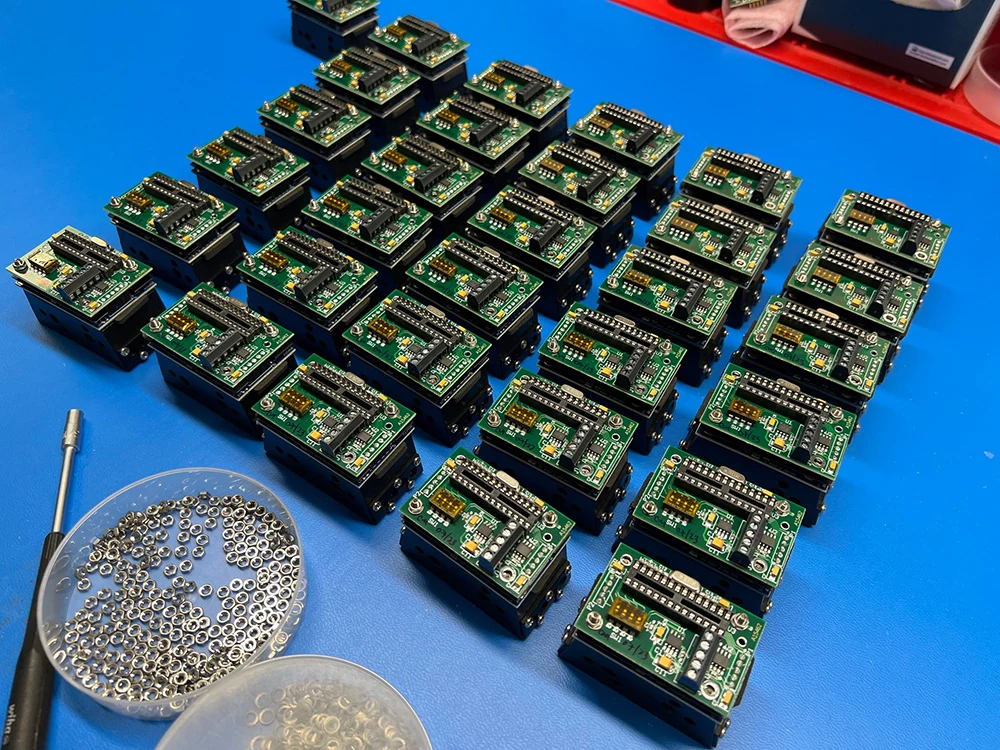
Electrical Control Panel Assembly Manufacturing and Integration

Electrical control panel assembly encompasses the integration of wire harnesses with relays, programmable logic controllers, switches, sensors, and power distribution components within protective enclosures. These panels serve as the command center for industrial equipment, providing centralized control and monitoring capabilities.
Control panel manufacturing complements wire harness production by delivering complete electrical systems ready for installation. General Assembly & Manufacturing Corp's low- to medium-volume panel and box build expertise supports customers requiring customized control solutions rather than standard catalog products.
System-level testing validates control panel functionality before shipment, including power-up sequences, I/O verification, and safety interlock testing. This comprehensive approach reduces installation time and startup issues at customer facilities.

Industries Served by Wire Harness and Panel Assemblies

Aerospace and defense applications demand rigorous quality control, material traceability, and compliance with military specifications. Medical devices and healthcare equipment require harnesses meeting FDA regulations and biocompatibility standards. Industrial equipment and automation systems rely on durable assemblies withstanding harsh manufacturing environments.
Energy and power systems utilize harnesses in renewable energy equipment, battery management systems, and power distribution infrastructure. Transportation and automotive applications range from commercial vehicles to specialized mobility equipment. Telecommunications and networking equipment depend on high-frequency cable assemblies, maintaining signal integrity.
General Assembly & Manufacturing Corp. specializes in precision assemblies serving industries where safety, reliability, and regulatory compliance are paramount. This focus on regulated or demanding markets and applications ensures manufacturing processes and quality systems meet the highest industry standards.

Benefits of Partnering with a Custom Wire Harness Assembly Manufacturer

Design flexibility enables wire harness manufacturers to adapt solutions for unique OEM requirements, including unconventional connector types, specialized materials, and application-specific routing configurations. This customization capability supports product differentiation while maintaining manufacturability.
Cost and time efficiency result from streamlined assembly and testing under one roof. Consolidating wire harness and panel assembly services eliminates coordination between multiple vendors while reducing lead times and logistics complexity.
Reliability and safety improve through professional assembly techniques that reduce wiring errors, short circuits, and component fatigue. Proper strain relief, wire support, and environmental protection extend product life while minimizing field failures. Regulatory compliance comes standard when partnering with manufacturers holding UL, CSA, ISO, and IPC certifications. These credentials demonstrate commitment to quality systems, process control, and continuous improvement.
Scalability from prototype to production ensures consistent quality regardless of volume. Manufacturing processes developed during prototyping transfer seamlessly to production runs, maintaining dimensional accuracy and electrical performance.

Quality and Compliance Standards in Wire Harness Manufacturing

ISO 9001 certification establishes the foundation for quality management, requiring documented procedures, process controls, and continuous improvement activities. IPC/WHMA-A-620 workmanship standards define acceptability criteria for wire harness and cable assemblies, covering stripping, crimping, soldering, and assembly practices. UL recognition validates that manufacturing processes and materials meet safety requirements for electrical products. RoHS and REACH compliance restricts hazardous substances in electrical and electronic equipment, essential for products marketed in regulated jurisdictions.
In-process inspection and documentation control provide real-time quality feedback throughout manufacturing. Statistical process control methods identify trends before they result in nonconforming products, while calibrated test equipment ensures measurement accuracy.
Testing procedures include continuity verification, confirming proper connections, hipot testing, evaluating insulation breakdown voltage, resistance measurements validating conductor sizing, pull testing confirming termination strength, and environmental stress testing exposing assemblies to temperature cycling or vibration conditions.

Wire Harness and Panel Assembly Design Best Practices

Applying DfMA principles during design reduces manufacturing costs while improving product reliability. Considerations include selecting connectors with appropriate mating cycles, specifying standard wire gauges available from multiple suppliers, and designing harness routing that accommodates assembly tooling.
Strain relief prevents wire breakage at termination points by distributing mechanical loads across reinforced sections rather than concentrated at connector pins. Maintaining proper bend radius for cables and wires prevents insulation damage and conductor fatigue. Cable management within control panels separates power and signal wiring to reduce electromagnetic interference while maintaining access for troubleshooting. Labeling schemes should identify wire functions, destination points, and circuit references for efficient installation and maintenance.
Modularization breaks complex harness assemblies into manageable subassemblies that can be tested independently before final integration. This approach simplifies troubleshooting while enabling parallel manufacturing workflows. Cable management within control panels separates power and signal wiring to reduce electromagnetic interference while maintaining access for troubleshooting. Labeling schemes should identify wire functions, destination points, and circuit references for efficient installation and maintenance.

Challenges in Wire Harness Manufacturing and How to Overcome Them

Material supply delays disrupt production schedules, particularly for specialized connectors or custom cable constructions. Vendor-managed inventory programs maintain a buffer stock of long-lead-time components while providing suppliers with visibility into future requirements.
Design revisions during production risk introducing errors if changes aren't communicated effectively. Digital CAD updates with revision control ensure that manufacturing teams always work from current documentation while maintaining a history of previous versions. Quality variability between production lots requires automated inspection systems and statistical process control methods. Vision systems verify connector orientation and wire routing, while automated electrical testing confirms continuity and insulation resistance for every assembly.
Environmental stress from temperature extremes, moisture exposure, or mechanical abrasion demands appropriate material selection. High-temperature wire insulation, moisture-resistant conformal coatings, and abrasion-proof sleeving protect harnesses operating in challenging conditions.

Customization Options for Specialized Applications

Custom connectors and housings accommodate unique mounting requirements or interface with proprietary equipment. Military and medical-grade materials meet stringent regulatory requirements for critical applications. Overmolded strain reliefs and encapsulated joints provide environmental sealing while improving mechanical durability.
Shielded and twisted pair configurations minimize electromagnetic interference in sensitive electronic circuits. Integration with sensors, LEDs, and switches creates intelligent harness assemblies that combine power distribution with data acquisition and status indication.

Frequently Asked Questions

1What industries benefit most from custom wire harness assemblies?
Medical devices, aerospace systems, industrial automation, energy management, and transportation equipment rely heavily on custom harnesses meeting specific performance and regulatory requirements.
2What's the difference between a wire harness and a cable assembly?
Wire harnesses bundle multiple wires with connectors for internal equipment routing, while cable assemblies typically feature heavier jacketing for external environments or longer transmission distances.
3How does testing ensure harness reliability?
Electrical testing validates continuity, insulation resistance, and connector integrity. Environmental stress testing exposes assemblies to temperature cycling and vibration conditions simulating field use.
4Can wire harnesses be produced in low volumes?
Specialized manufacturers support low- to medium-volume production, providing custom solutions without requiring high-volume commitments typical of offshore manufacturers.
5What certifications should a qualified manufacturer hold?
ISO 9001 for quality management, IPC/WHMA-A-620 for workmanship standards, and UL recognition for safety compliance represent essential certifications for wire harness manufacturers.
6How can panel assemblies improve system performance?
Integrated panel assemblies reduce installation time, minimize wiring errors, and provide centralized testing before shipment, improving system reliability while reducing startup issues.

Partner with General Assembly & Manufacturing Corp. for Custom Wire Harness and Panel Assembly Solutions

General Assembly & Manufacturing Corp. combines precision engineering, regulatory compliance expertise, and flexible manufacturing to deliver custom wire harness and electrical control panel assemblies. Our focus on low- to medium-volume production serves OEMs requiring services beyond standard catalog offerings.
From prototype development through production support, General Assembly & Manufacturing Corp. provides end-to-end integration of design engineering, component sourcing, assembly manufacturing, and quality verification. Our team understands the critical role wire harnesses play in electromechanical systems and delivers solutions meeting the highest standards for performance, safety, and reliability.
Explore our case studies to learn how General Assembly & Manufacturing Corp. has solved complex wire harness and panel assembly challenges across diverse industries. Contact us today to discuss your project requirements with our engineering team.